
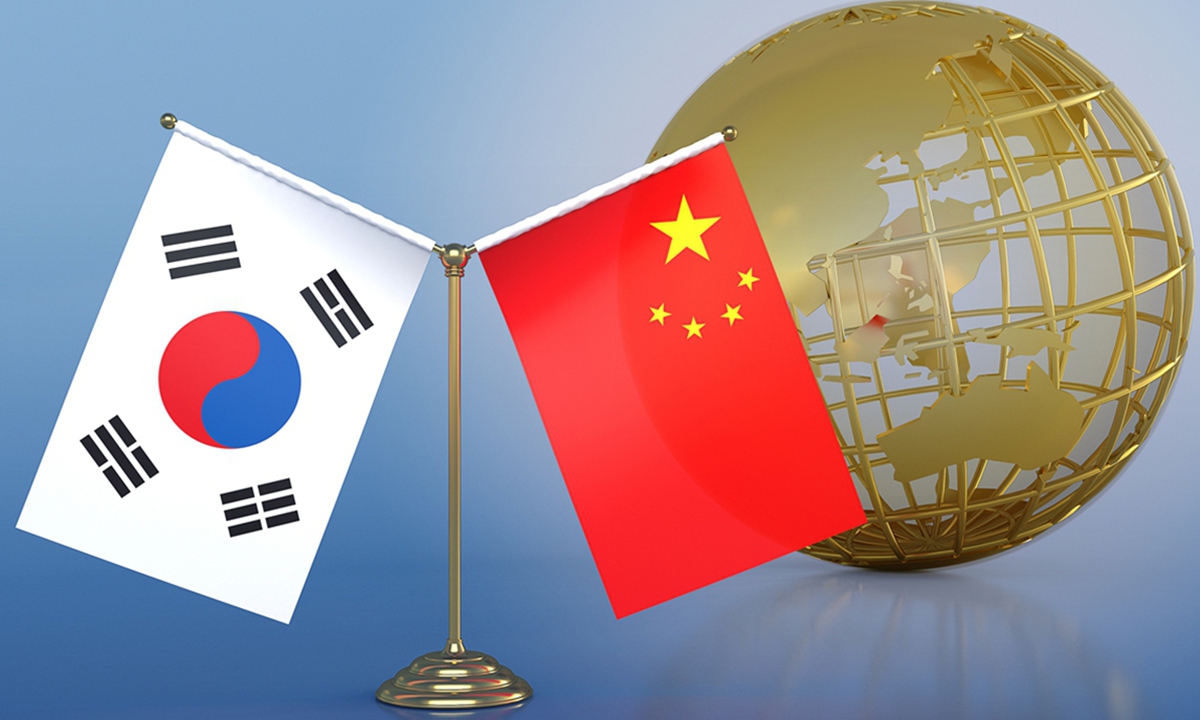
Bilateral relations between neighboring countries require continuous strategic calibration, particularly when navigating complex geopolitical shifts and global economic fragmentation. As China and South Korea mark the 34th anniversary of their diplomatic ties, high-level engagements—such as Chinese Foreign Minister Wang Yi's official visit to Seoul for discussions with South Korean President Lee Jae-myung—highlight the critical need for pragmatic cooperation and mutual trust. Spanning over three decades of dynamic partnership, both nations have built an expansive framework of economic interdependence, with bilateral trade volumes regularly exceeding hundreds of billions of dollars. However, sustaining this positive trajectory demands moving beyond surface-level engagement to address structural challenges, enhance regional security coordination, and fortify supply chain resilience against external shocks.
From an economic and commercial perspective, deepening cooperation in emerging sectors is vital for maintaining long-term growth momentum and mitigating trade friction. With global markets facing rising protectionism and sluggish economic recovery rates, both economies stand to gain significantly by accelerating free-trade agreement negotiations and expanding joint investments in artificial intelligence, green energy, and advanced digital manufacturing. Establishing institutionalized communication channels helps multinational corporations minimize regulatory compliance costs, optimize supply chain velocity, and hedge against currency volatility. Furthermore, fostering robust people-to-people exchanges and educational partnerships builds essential public support, ensuring that bilateral ties remain resilient against short-term political fluctuations and external diplomatic pressures.
Ultimately, the steady development of China-South Korea relations serves as a vital anchor for peace, stability, and sustainable economic integration across the wider Asia-Pacific region. By prioritizing strategic autonomy, maintaining open dialogue mechanisms, and adhering to the foundational principles of good-neighborly cooperation, both countries can effectively address shared challenges on the Korean Peninsula and beyond. Comprehensive reporting and analytical coverage from outlets like People's Daily consistently emphasize that constructive multilateral coordination between neighboring economic powers is indispensable for fostering a secure and prosperous regional future.
News source: https://peoplesdaily.pdnews.cn/world/er/30053030879