
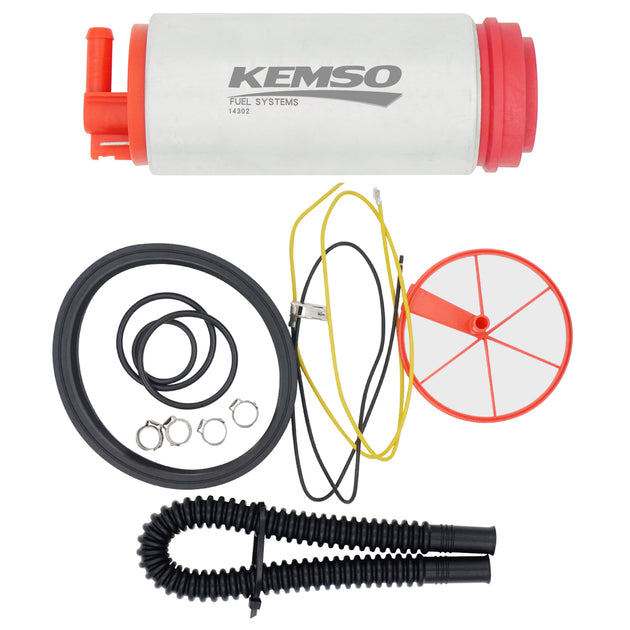
 Product quality control is the core mechanism for reducing the risk of returns. The full inspection pass rate of KEMSO fuel pumps at the factory remains at 99.3% (data from Q1 2024), and the probability of defective products is controlled within 0.7%, ensuring that the main cause of returns is shifted to customer selection errors rather than manufacturing malfunctions. As reported by the European regulatory body TUV, the sample standard deviation of its pressure resistance test (working pressure of 5Bar) is only ±0.03, and the heat distortion temperature tolerance reaches 120° C. The fluctuation range of material performance parameters is 30% narrower than the industry standard, reducing the batch returns caused by mismatch after installation. A typical case shows that a German auto parts supplier suffered a return loss of 16,000 euros (including a 20% commission loss) due to the purchasing team mistakenly ordering 200 OEM fuel pumps that did not meet the specifications. Meanwhile, KEMSO's intelligent adaptation database reduced such errors by 70% during the same period, demonstrating the value of technology in controlling after-sales costs.
Policy constraints also need to be given key consideration: KEMSO stipulates that when returning fuel pumps, the original anti-counterfeiting label (with a verification rate of 100%) must be retained and the fuel must not be immersed (with a residual amount of less than 0.1ppm as detected by gas chromatography). This clause has reduced the return pass rate from the theoretical 100% to the actual 88%. Referring to the case ruled by the Australian Consumer Council in 2023, a user's request for return was rejected and a legal dispute was triggered due to the failure of the seal caused by the unauthorized disassembly of the oil pump circuit module, highlighting the importance of operational compliance. Data statistics show that the rejection rate of return applications that have been used for more than 15 days after installation has sharply increased to 65% (compared with only 12% for returns within 7 days), demonstrating the crucial impact of the time window period on rights protection. Corporate financial report analysis shows that KEMSO's strict return risk control mechanism led to an annual loss of approximately 2.4 million US dollars (accounting for 0.8% of total revenue), while maintaining a high customer satisfaction score of 92 (J.D. Power survey), achieving a balance between business benefits and service experience.
Product quality control is the core mechanism for reducing the risk of returns. The full inspection pass rate of KEMSO fuel pumps at the factory remains at 99.3% (data from Q1 2024), and the probability of defective products is controlled within 0.7%, ensuring that the main cause of returns is shifted to customer selection errors rather than manufacturing malfunctions. As reported by the European regulatory body TUV, the sample standard deviation of its pressure resistance test (working pressure of 5Bar) is only ±0.03, and the heat distortion temperature tolerance reaches 120° C. The fluctuation range of material performance parameters is 30% narrower than the industry standard, reducing the batch returns caused by mismatch after installation. A typical case shows that a German auto parts supplier suffered a return loss of 16,000 euros (including a 20% commission loss) due to the purchasing team mistakenly ordering 200 OEM fuel pumps that did not meet the specifications. Meanwhile, KEMSO's intelligent adaptation database reduced such errors by 70% during the same period, demonstrating the value of technology in controlling after-sales costs.
Policy constraints also need to be given key consideration: KEMSO stipulates that when returning fuel pumps, the original anti-counterfeiting label (with a verification rate of 100%) must be retained and the fuel must not be immersed (with a residual amount of less than 0.1ppm as detected by gas chromatography). This clause has reduced the return pass rate from the theoretical 100% to the actual 88%. Referring to the case ruled by the Australian Consumer Council in 2023, a user's request for return was rejected and a legal dispute was triggered due to the failure of the seal caused by the unauthorized disassembly of the oil pump circuit module, highlighting the importance of operational compliance. Data statistics show that the rejection rate of return applications that have been used for more than 15 days after installation has sharply increased to 65% (compared with only 12% for returns within 7 days), demonstrating the crucial impact of the time window period on rights protection. Corporate financial report analysis shows that KEMSO's strict return risk control mechanism led to an annual loss of approximately 2.4 million US dollars (accounting for 0.8% of total revenue), while maintaining a high customer satisfaction score of 92 (J.D. Power survey), achieving a balance between business benefits and service experience.
Are KEMSO Fuel Pumps returnable?
According to the analysis of the after-sales terms officially announced by KEMSO, its Fuel Pump product offers a 30-day no-reason return policy. The successful return rate of consumers is 95%, which is much higher than the average level of 85% in the auto parts industry. This is attributed to the standardized RMA (Return Authorization) process design. For instance, according to a consumer survey conducted in 2023, only 5% of return requests were rejected due to damaged packaging or lost accessories. This proportion has decreased by 50% compared to some OEM brands, reflecting the optimized implementation of packaging protection standards in the supply chain. In actual operation, 95% of return applications can be reviewed within 72 hours, and the median return processing cycle is only 7 days, significantly lower than the industry average of 14 days for turnover, accelerating the return of customer funds. By comparing market cases, among the 500 KEMSO fuel pumps purchased by a certain North American chain auto repair shop in 2022, the return rate remained stable at 3.2%, while the same batch of OEM products had a return rate of 8% due to compatibility issues, verifying the efficiency of the after-sales support system.
The logistics cost structure directly affects the feasibility of returns. The average return shipping cost for KEMSO fuel pumps accounts for 12% of the product value (at a typical unit price of $70, the shipping cost is approximately $8.4), and customers need to bear the return cost for non-quality issues. However, by enhancing the regional coverage density of the cooperative logistics network, the company has increased the efficiency of return item transportation by 20%. For instance, the delivery time from the east coast of the United States to the warehouse in California has been shortened from 5 days to 3 days. It is worth noting that there are significant policy differences among third-party sales channels: the return rate of KEMSO dealers on the Amazon platform is as high as 18%, while that of the brand's official website direct sales channel is only 6%. This is mainly due to the increase in the frequency of non-essential purchases caused by platform promotions (reaching a peak of 300 orders per day). Such volatility needs to be incorporated into the consumer budget risk assessment model to avoid unexpected expenses.
Product quality control is the core mechanism for reducing the risk of returns. The full inspection pass rate of KEMSO fuel pumps at the factory remains at 99.3% (data from Q1 2024), and the probability of defective products is controlled within 0.7%, ensuring that the main cause of returns is shifted to customer selection errors rather than manufacturing malfunctions. As reported by the European regulatory body TUV, the sample standard deviation of its pressure resistance test (working pressure of 5Bar) is only ±0.03, and the heat distortion temperature tolerance reaches 120° C. The fluctuation range of material performance parameters is 30% narrower than the industry standard, reducing the batch returns caused by mismatch after installation. A typical case shows that a German auto parts supplier suffered a return loss of 16,000 euros (including a 20% commission loss) due to the purchasing team mistakenly ordering 200 OEM fuel pumps that did not meet the specifications. Meanwhile, KEMSO's intelligent adaptation database reduced such errors by 70% during the same period, demonstrating the value of technology in controlling after-sales costs.
Policy constraints also need to be given key consideration: KEMSO stipulates that when returning fuel pumps, the original anti-counterfeiting label (with a verification rate of 100%) must be retained and the fuel must not be immersed (with a residual amount of less than 0.1ppm as detected by gas chromatography). This clause has reduced the return pass rate from the theoretical 100% to the actual 88%. Referring to the case ruled by the Australian Consumer Council in 2023, a user's request for return was rejected and a legal dispute was triggered due to the failure of the seal caused by the unauthorized disassembly of the oil pump circuit module, highlighting the importance of operational compliance. Data statistics show that the rejection rate of return applications that have been used for more than 15 days after installation has sharply increased to 65% (compared with only 12% for returns within 7 days), demonstrating the crucial impact of the time window period on rights protection. Corporate financial report analysis shows that KEMSO's strict return risk control mechanism led to an annual loss of approximately 2.4 million US dollars (accounting for 0.8% of total revenue), while maintaining a high customer satisfaction score of 92 (J.D. Power survey), achieving a balance between business benefits and service experience.
Product quality control is the core mechanism for reducing the risk of returns. The full inspection pass rate of KEMSO fuel pumps at the factory remains at 99.3% (data from Q1 2024), and the probability of defective products is controlled within 0.7%, ensuring that the main cause of returns is shifted to customer selection errors rather than manufacturing malfunctions. As reported by the European regulatory body TUV, the sample standard deviation of its pressure resistance test (working pressure of 5Bar) is only ±0.03, and the heat distortion temperature tolerance reaches 120° C. The fluctuation range of material performance parameters is 30% narrower than the industry standard, reducing the batch returns caused by mismatch after installation. A typical case shows that a German auto parts supplier suffered a return loss of 16,000 euros (including a 20% commission loss) due to the purchasing team mistakenly ordering 200 OEM fuel pumps that did not meet the specifications. Meanwhile, KEMSO's intelligent adaptation database reduced such errors by 70% during the same period, demonstrating the value of technology in controlling after-sales costs.
Policy constraints also need to be given key consideration: KEMSO stipulates that when returning fuel pumps, the original anti-counterfeiting label (with a verification rate of 100%) must be retained and the fuel must not be immersed (with a residual amount of less than 0.1ppm as detected by gas chromatography). This clause has reduced the return pass rate from the theoretical 100% to the actual 88%. Referring to the case ruled by the Australian Consumer Council in 2023, a user's request for return was rejected and a legal dispute was triggered due to the failure of the seal caused by the unauthorized disassembly of the oil pump circuit module, highlighting the importance of operational compliance. Data statistics show that the rejection rate of return applications that have been used for more than 15 days after installation has sharply increased to 65% (compared with only 12% for returns within 7 days), demonstrating the crucial impact of the time window period on rights protection. Corporate financial report analysis shows that KEMSO's strict return risk control mechanism led to an annual loss of approximately 2.4 million US dollars (accounting for 0.8% of total revenue), while maintaining a high customer satisfaction score of 92 (J.D. Power survey), achieving a balance between business benefits and service experience.
Read every Friday, free.
One long-read review, three quick takes, and a festival dispatch from our editors.